
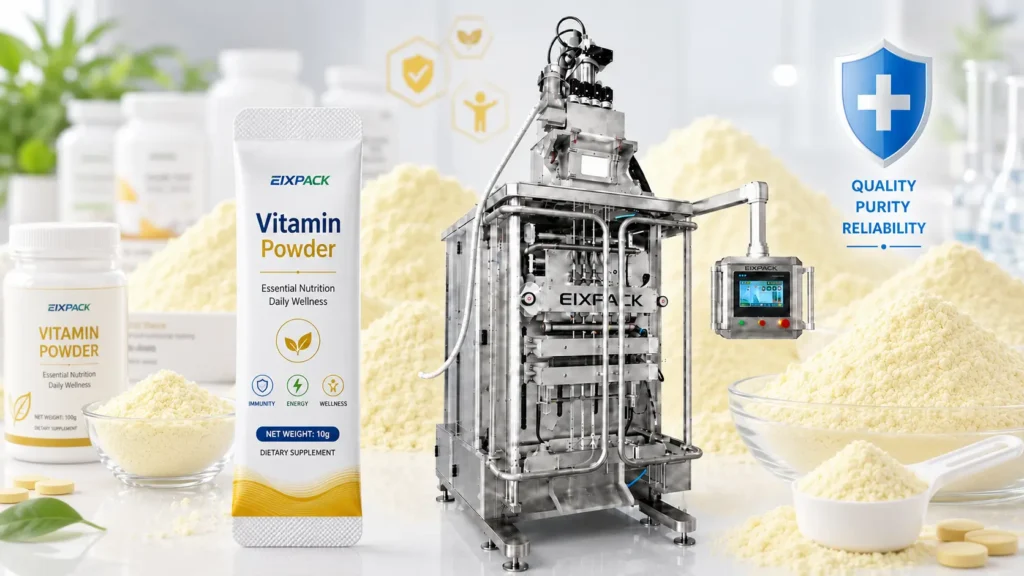
A vitamin powder stick pack packaging machine line does not have one fixed price.
The final cost depends on the powder formula, fill weight, lane count, dosing accuracy, dust control, sealing requirements, inspection system, and downstream automation.
For vitamin powder factories, supplement brands, and contract manufacturers, the key question is not only “How much is the machine?” but “Which line configuration can run my product accurately, keep the seal clean, reduce product giveaway, and support stable production?”
A well-planned vitamin powder stick pack packaging machine solution should start with the actual powder sample, target stick size, film structure, and production target.
What Does a Vitamin Powder Stick Pack Machine Line Include?
Many buyers compare only the price of the main stick pack machine. That can lead to a misleading quotation comparison.
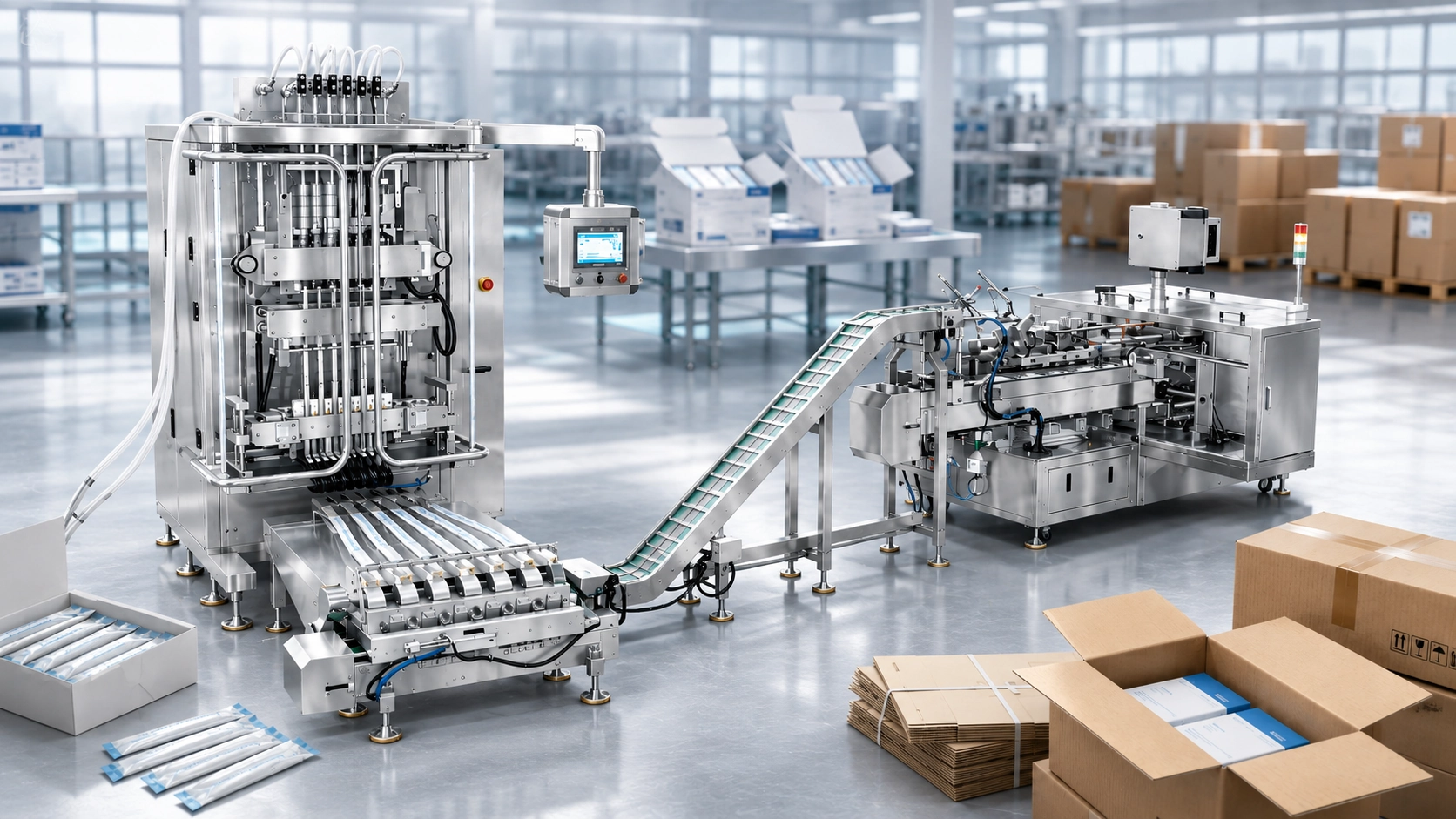
A complete vitamin powder stick pack line may include vacuum feeding, servo auger dosing, multi-lane forming and sealing, date coding, easy-tear cutting, dust extraction, static elimination, checkweighing, rejection, counting, grouping, cartoning, conveyors, factory acceptance testing, spare parts, and operator training.
A lower machine price may become expensive if the line cannot handle the real powder. Vitamin powder formulas often contain minerals, flavors, sweeteners, plant extracts, collagen blends, electrolytes, or functional ingredients.
These powders may be oily, dusty, moisture-sensitive, or easy to bridge inside the hopper.
If the powder enters the sealing area or absorbs moisture during production, the line may lose speed, increase rejected packs, or create unstable seal quality.
Main Cost Drivers in a Vitamin Powder Stick Pack Packaging Machine Line
The first cost driver is lane count.
A compact machine with fewer lanes may suit a new supplement brand, pilot production, or frequent SKU testing. A multi-lane system is more suitable for stable demand, higher monthly volume, and contract packing.
EIXPACK’s multi-lane powder stick pack machine can be evaluated for vitamin powder, collagen powder, electrolyte powder, and other food supplement powder applications.
Final speed and accuracy should always be confirmed by sample testing, fill weight, film material, and the selected configuration.
The second cost driver is fill weight.
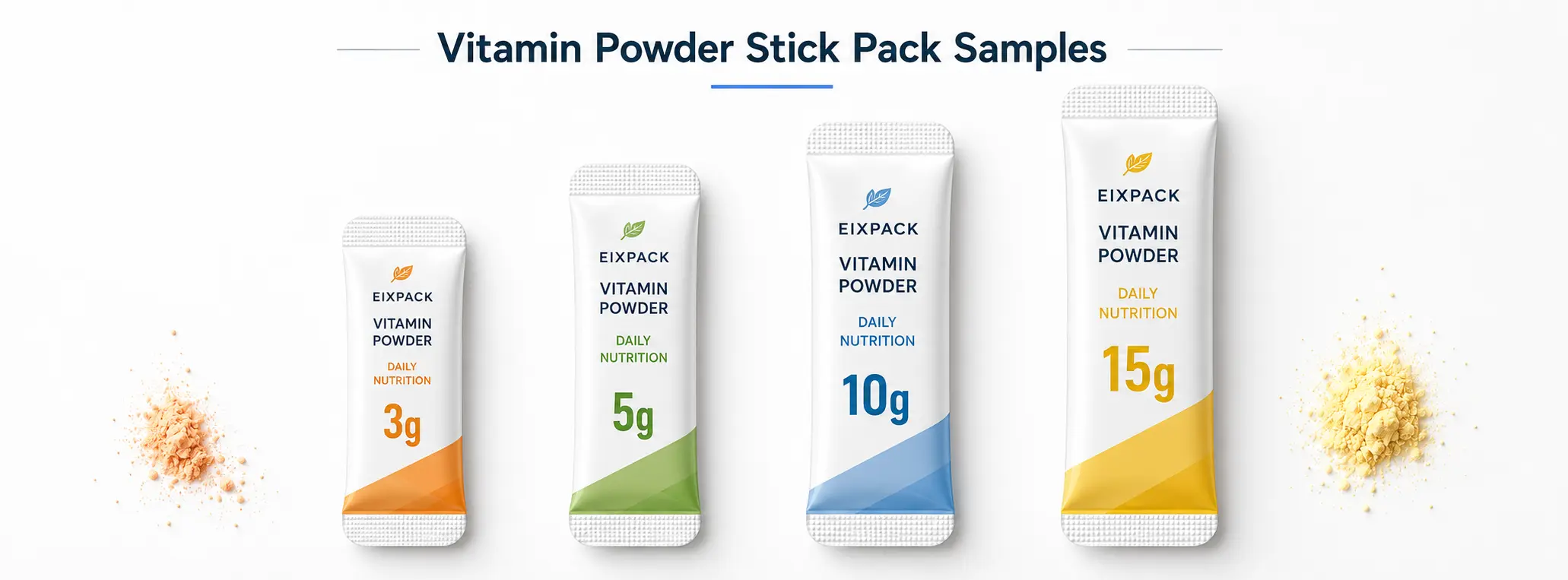
Common vitamin powder stick sizes such as 3g, 5g, 10g, and 15g can be handled, but each size may require suitable augers, forming tubes, filling nozzles, and recipe settings.
A machine designed for one fixed stick size is usually simpler. A line that must handle multiple SKUs, multiple stick widths, and multiple fill weights will require more changeover planning and possibly additional parts.
The third cost driver is dosing accuracy.
For vitamin powder, filling accuracy directly affects material cost and brand trust. Overfilling increases product giveaway, especially when the formula contains high-value functional ingredients.
Underfilling may create complaints, batch review issues, and quality concerns. A serious supplier should test accuracy at realistic running speed, not only during a short demonstration.
The fourth cost driver is dust and static control.
Fine vitamin powder can float into the sealing jaws, contaminate the sealing area, and reduce seal strength. For some powders, dust may also create factory safety concerns.
OSHA’s combustible dust guidance is a useful reference for facilities that need to evaluate dust accumulation and ignition-source control.
In a vitamin powder stick pack line, vacuum loading, dust extraction, static elimination, and better product-path control can increase the initial investment but reduce long-term packaging risk.
The fifth cost driver is sealing performance.
Vitamin powder stick packs are often sold in retail boxes, sample kits, club packs, or e-commerce cartons.
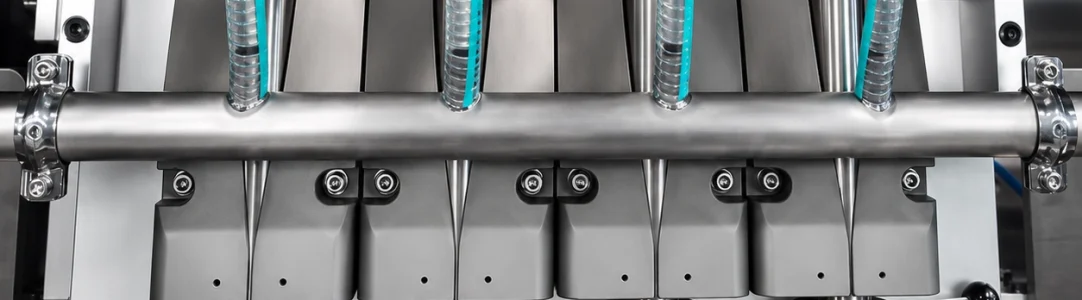
A leaking stick can contaminate other packs, damage the carton, and create returns. Good sealing depends on machine pressure, temperature control, film compatibility, powder control, cutting quality, and stable line speed.
A target sealing qualification rate such as 99.95% should be verified with real powder, real film, and the final stick pack dimensions.
Cost Comparison by Buyer Type
A start-up vitamin powder brand usually needs flexibility more than maximum output.
The line should support small batches, trial pack sizes, and frequent formula changes.
A mature supplement brand may focus on retail appearance, stable filling, seal consistency, and carton-ready output.
A contract manufacturer needs fast changeover, easy cleaning, multi-SKU flexibility, and often downstream counting or cartoning.
A vitamin powder factory with stable large orders may justify a higher-speed multi-lane line with automatic feeding, dust control, and secondary packaging integration.
Buyer Type |
Cost Priority |
Recommended Focus |
Cost Risk to Avoid |
|---|---|---|---|
New vitamin powder brand | Flexibility and moderate output | 3g/5g/10g/15g fill range, stable sealing, easy changeover | Buying too many lanes before demand is proven |
Vitamin powder factory | Accuracy and continuous production | Servo auger dosing, dust control, vacuum loading, film testing | Ignoring oily or moisture-sensitive powder behavior |
Supplement brand | Retail pack quality | Clean stick appearance, easy-tear notch, coding, rejection | Choosing a low-cost line that creates visible seal defects |
OEM/ODM factory | Multi-SKU production | Multiple forming sets, quick-clean parts, recipe storage | Long downtime between different customer formulas |
Contract manufacturer | Scalable output | Multi-lane machine, counting, grouping, cartoning connection | Manual cartoning becoming the production bottleneck |
OTC / drug-related powder project | Documentation and controlled handling | Cleanable parts, batch coding, rejection control, quality documentation | Treating drug-related powder like ordinary supplement powder |
How U.S. Compliance Affects Line Planning
For the U.S. market, machine cost should not be separated from production quality and documentation planning. The FDA’s dietary supplement CGMP guidance explains current good manufacturing practice expectations for manufacturing, packaging, labeling, and holding dietary supplements.
A packaging line cannot replace a quality system, but machine design can support cleaner production, batch control, coding, inspection, rejection, and documentation.
Supplement brands should also consider packaging claims and label control. The FTC’s Health Products Compliance Guidance explains that health-related product claims should be truthful, not misleading, and supported by science.
This does not directly determine the stick pack machine price, but it affects packaging design, claim review, label control, coding space, and production record planning.
Why Ibuprofen Powder Should Be Treated Separately
Ibuprofen powder stick pack packaging machines should not be evaluated in the same way as ordinary food supplement powder stick pack packaging machines.
Ibuprofen is associated with OTC or drug-related handling in many markets. This type of project may require stricter documentation, cleaning expectations, containment review, batch control, and quality approval.
A quotation for ibuprofen powder should be reviewed by the customer’s regulatory, quality, and engineering teams before final machine approval.
This is why vitamin powder, food supplement powder, and OTC-related powder should be discussed as separate applications.
They may use similar packaging formats, but the project risk, documentation level, and machine validation expectations can be very different.
Why a Complete Line Can Cost More Than a Main Machine
A complete stick pack line costs more than a standalone machine because the buyer is paying for production stability, not only mechanical movement.
EIXPACK’s public collagen powder stick pack case study shows how a powder stick pack project can include multi-lane packing, vacuum extraction, servo-auger logic, and cartoning synchronization.
For vitamin powder buyers, this type of project reference is useful because it shows how dosing, dust control, sealing, and downstream automation work together as one line.
A simpler vitamin powder line without cartoning may require a lower investment.
A high-speed line with multiple SKUs, vacuum feeding, dust control, checkweighing, counting, grouping, and cartoning will require a higher investment.
The right comparison is not machine body price versus machine body price. The right comparison is total line value, tested performance, and long-term production risk.
How to Get a Reliable Quotation
A reliable quotation should begin with a technical checklist.
The supplier should confirm the product name, formula type, fill weight, bulk density, flowability, dust level, moisture sensitivity, oil content, target stick size, film structure, output target, number of SKUs, cleaning frequency, coding requirements, and downstream packaging plan.
For vitamin powder, 3g, 5g, 10g, and 15g formats should be tested separately if one line must cover all sizes.
The quotation should separate essential and optional modules.
Essential modules may include servo auger dosing, forming and sealing, coding, safety guards, and basic conveyors. Optional but valuable modules may include vacuum loading, dust extraction, static elimination, checkweighing, automatic rejection, counting, grouping, cartoning, and remote support.
This quotation structure helps buyers understand why each cost is included.
Before final approval, real powder and real film should be tested.
The test should check filling accuracy, sealing qualification, running speed, pack appearance, easy-tear performance, cleaning time, and powder buildup.
A short demonstration may look smooth, but a longer test can reveal hopper bridging, seal contamination, static problems, or unstable dosing.
The right vitamin powder stick pack packaging machine line cost is the investment that protects product quality, reduces giveaway, supports real output, and avoids expensive rework after installation.
For supplement brands and contract manufacturers, the best quotation is not always the lowest number.
It is the quotation that explains what each configuration does, which production risk it reduces, and how the line will perform with the real product.
Frequently Asked Questions (FAQ)
The cost depends on lane count, filling range, powder behavior, dust control, sealing requirements, inspection, cartoning, testing, and service. A complete line should be quoted after sample testing and layout confirmation.
Yes, these common fill weights can be supported, but the final setup may require suitable augers, forming tubes, nozzles, film testing, and recipe settings for each stick size.
Dust control may add vacuum loading, dust extraction, static elimination, enclosed filling areas, and better air pressure control. These options help protect sealing quality and reduce rejected packs.
Usually yes, if the dosing system, contact parts, dust control, film, and sealing parameters are matched to the actual formula. Oily or moisture-sensitive formulas should be tested before order confirmation.
No. Ibuprofen powder should be treated as an OTC or drug-related powder project, not as a normal supplement powder project. It may require stricter documentation, cleaning, containment, and quality review.
Quick Quote Request
Send EIXPACK your vitamin powder sample details, target fill weight, stick size, film structure, and expected output.
Our team can recommend a suitable vitamin powder stick pack packaging machine line layout, including dosing, dust control, sealing, inspection, and optional cartoning integration.